Nutrition & Mindful Eating
Discovering balance through colorful food variety, seasonal produce, nutrient-dense whole ingredients, and steady dining habits.
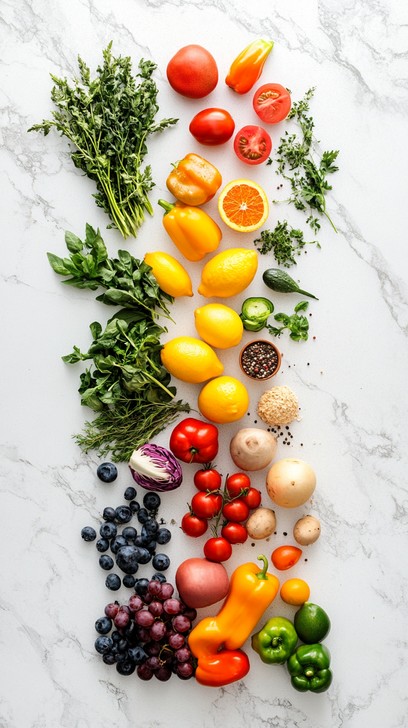
The Foundation of Everyday Nourishment
Wholesome nutrition is about creating an enjoyable, diverse, and sustainable relationship with food. Instead of viewing meals through strict restriction, focusing on abundance—adding vibrant plant foods, quality proteins, and fiber-rich grains—fosters natural nourishment.
Regular meal routines and unhurried meals allow your body to absorb essential micronutrients and maintain stable daily energy without dramatic fluctuations.
Connect With Daily WellnessBalanced Eating Concepts
Broad concepts that support sustained vitality and joyful meal preparation.
Food Variety & Color
Aim for a spectrum of colors across each plate. Different pigments reflect varied antioxidants, phytonutrients, and vitamins that work together in harmony.
Color DiversityFruits & Vegetables
Incorporate whole fresh fruits, crisp salad greens, and steamed or roasted root vegetables to supply dietary fiber that benefits everyday digestion.
Plant FocusWhole-Food Choices
Prioritize minimally refined grains such as brown rice, oats, and quinoa alongside nuts and seeds for sustained energy release without steep drops.
Complex EnergyMeal Organization
Planning simple weekly staples and keeping regular meal intervals prevents prolonged hunger gaps and reduces reliance on hasty, low-nutrient convenience snacks.
Pacing & PrepHydration Synergy
Drinking water throughout the day aids the body in processing dietary fiber, lubricating joints, and transporting essential nutrients efficiently.
Fluid BalanceMindful Eating
Eating in a calm setting without television or phone screens encourages slower chewing and heightened awareness of natural fullness cues.
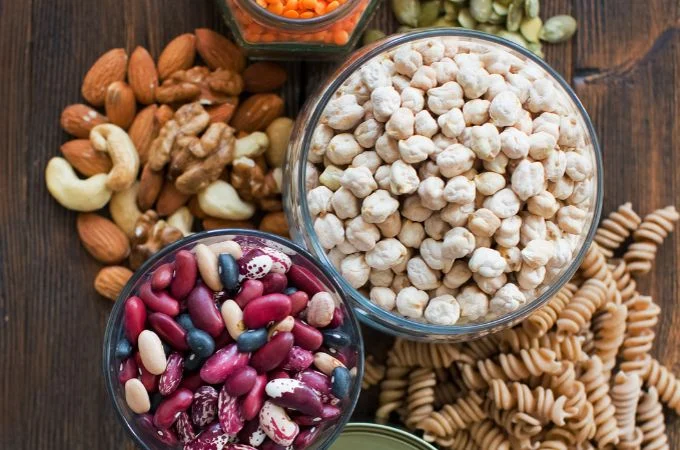
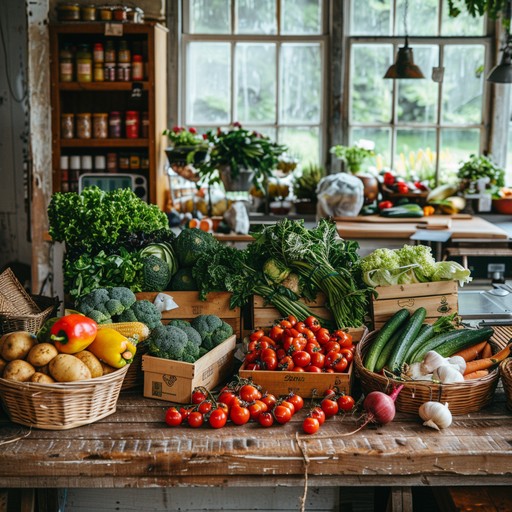
PresenceVisualizing Balanced Plates
Real food photographs illustrating the simple elegance of wholesome, colorful nutrition.



Frequently Asked Questions on Nutrition
Helpful perspectives regarding general nutrition and daily eating habits.
Do I need to follow rigid dietary rules to eat well?
No. Sustainable nutrition emphasizes positive additions—such as incorporating more green vegetables, staying hydrated, and choosing whole grains—rather than overly restrictive diets.
How can I easily add more plant foods to my weekly routine?
Try adding a handful of spinach to your morning eggs, keeping sliced carrots or bell peppers visible in the refrigerator, or exploring a new seasonal vegetable during weekly grocery shopping.
What is the difference between whole foods and ultra-processed foods?
Whole foods are ingredients in or near their natural state—such as apples, lentils, walnuts, and brown rice. Ultra-processed foods typically contain extended artificial additives, heavy refined sugars, and minimal natural fiber.
How does hydration interact with feeling hungry?
Mild dehydration can sometimes produce sensations that feel similar to hunger. Drinking a glass of water before meals helps maintain hydration and supports proper digestive pacing.
Nourish Body and Mind
Combine balanced eating habits with regular movement and organized lifestyle practices.