Healthy Living & Lifestyle Design
Organizing movement, restorative sleep, nature exposure, and stress resilience into a balanced, sustainable way of life.
Harmonizing Modern Demands With Human Needs
Modern daily life often challenges our biology with prolonged sitting, persistent artificial lighting, and non-stop cognitive inputs. Healthy living is the ongoing practice of deliberately designing your days to honor natural human needs.
From purposeful outdoor walks under open skies to establishing calm buffer zones between work commitments and evening rest, small adjustments protect your vitality without requiring unrealistic commitments.
Discover Daily Habits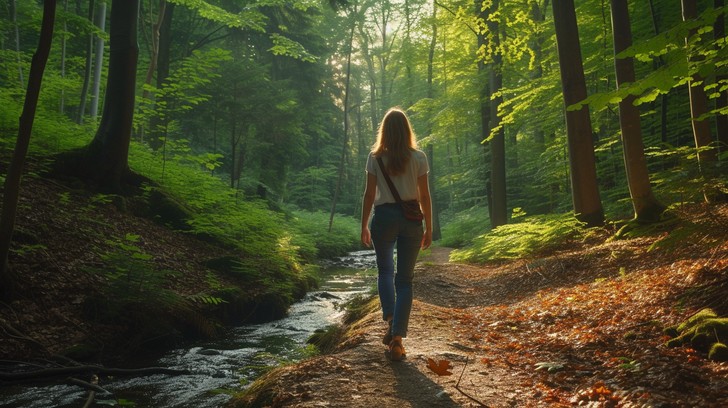
Pillars of Sustainable Wellness
Core dimensions that build a durable foundation for physical stamina and emotional tranquility.
Movement & Mobility
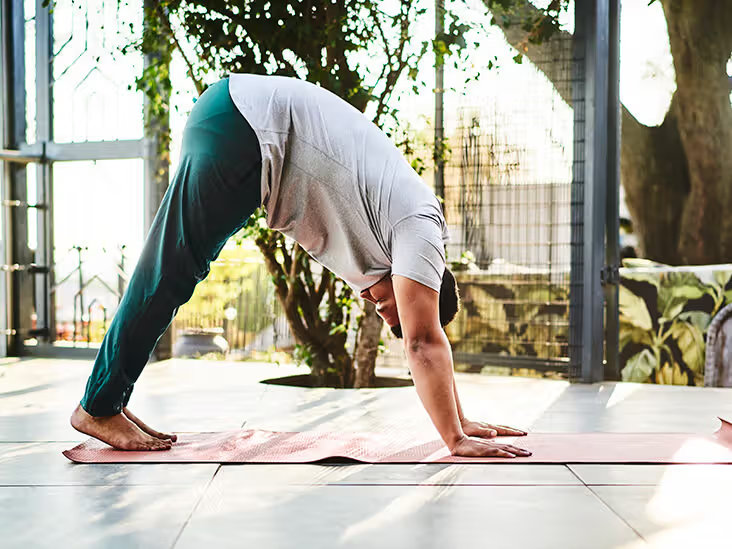
Regular varied motion maintains joint resilience, stimulates lymphatic flow, and enhances overall cardiovascular efficiency.
Physical MobilityRestorative Sleep
Sustained overnight slumber supports tissue repair, memory consolidation, and baseline emotional equilibrium.
Sleep SanctuaryRelaxation & Stress Relief
Dedicated breathing practices and screen-free pauses help down-regulate heightened sympathetic arousal.
Nervous SystemOutdoor Activities & Daylight
Spending unhurried time among trees, parks, or natural waterways reduces perceived mental fatigue and aligns circadian rhythms with natural day-night cycles.
Nature ImmersionIntentional Recovery
Spacing demanding activities with restorative intervals allows physical stamina and cognitive sharpness to renew before exhaustion sets in.
Active RecoveryLifestyle Organization & Environment
Organizing a clutter-free living environment, establishing clear work-rest boundaries, and planning ahead creates calm predictability that reduces daily decision fatigue.
Structure & FlowGeneral Habits
Cultivating patience with personal progress fosters sustainable well-being that adapts to life changes.
Self-AwarenessVisualizing Healthy Living in Practice
Scenes of mindful movement, nature walks, quiet contemplation, and supportive environments.



Frequently Asked Questions on Healthy Living
Real questions regarding lifestyle balance, stress management, and physical activity.
How can I fit regular physical activity into a sedentary office job?
Focus on cumulative movement throughout the day: park further from entrances, stand during webinars, use stairs instead of elevators, and schedule two 10-minute walking breaks during your workday.
Why does outdoor time benefit mental clarity?
Natural settings provide 'soft fascination'—gentle sensory patterns like moving leaves and open horizons that allow the brain's focused attention networks to rest and recuperate from screen fatigue.
What is active recovery compared to passive rest?
Active recovery involves low-intensity motion such as gentle walking, light swimming, or gentle stretching that boosts blood circulation without taxing the muscles, while passive rest involves sleep or quiet relaxation.
How does environmental clutter affect daily stress?
Disorganized environments can subtly increase cognitive load by acting as constant visual reminders of unfinished tasks. Dedicating 10 minutes to reset surfaces can noticeably lighten mental pressure.
Ready to Enhance Your Daily Rhythms?
Connect these broad lifestyle concepts with day-to-day wellness checklists and wholesome food ideas.